






Which Battlefields Can You Visit in France?
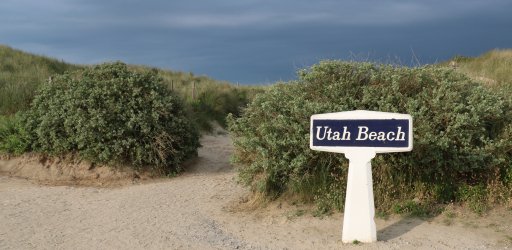
- Normandy (WWII) – D-Day landing beaches including Omaha, Utah, Juno, Gold, and Sword
- The Somme (WWI) – memorials, cemeteries, and preserved trenches
- Verdun & the Argonne (WWI) – forts, ossuaries, and destroyed villages

©
Unsplash CC0
Your Battlefield Tour, Planned Around You
The key regions for World War history in France are Normandy, Verdun and the Argonne, and the Somme — and many of our travelers choose to visit more than one on the same trip. We'll plan a route that connects the battlefields in France that matter most to you, with comfortable B&B stays and time built in to explore the towns and countryside along the way.
At each major site, we arrange a private guide — someone with deep knowledge of local history who can take you beyond what you'd find on your own. These aren't rushed group tours. It's just you and your guide, spending time at and learning more about the places that interest you most.
Between guided visits, your personalized guidebook and our MyFrance travel app give you everything you need to explore independently: driving directions, restaurant suggestions, background on the places you're passing through, and tips on smaller sites that most visitors miss.
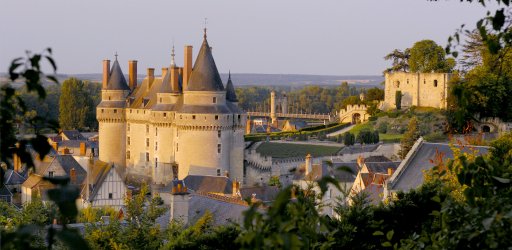
If you have other interests beyond battlefields — wine tasting in Champagne or Burgundy, a day exploring the Loire Valley châteaux, time in Paris — we can weave those into the same trip. Just tell us what matters to you, and we'll build the itinerary around it.

©
France Just For You
Walk in Your Ancestor's Footsteps
Many of our travelers have a personal connection to the World Wars — a father, grandfather, or uncle who fought on French soil. If that's the case for you, we can plan a battlefield tour of France that follows your family member's journey.
Tell us what you know — their name, their regiment, the battles they were part of — and we'll do the research on your behalf. We work with local historians and expert guides to trace the route your ancestor would have taken, from the beaches or battlefields where they fought, to the towns where they were stationed. If they were killed in action, we can help you find their grave or the memorial where their name is recorded.

©
France Just For You
Over the years, we've helped Americans visit the exact stretch of Omaha Beach where their grandfather came ashore, Canadians retrace their great-uncle's path through the Somme, and Australians pay their respects at Le Hamel. These are some of the most meaningful trips we plan, and we don't charge extra for the research involved in personalizing the itinerary.
Even if you don't have a family connection, our guides are skilled at tailoring each visit to your nationality and interests — so whether you want to focus on American, British, Canadian, Australian, or French perspectives on the war, your tour will reflect that.

©
Harry from Australia
Normandy and the D-Day Beaches
Normandy is the most visited of France's WW2 battlefields, and for good reason. The D-Day landing beaches — Omaha, Utah, Gold, Juno, and Sword — stretch along the coast, and each one tells a different story of the Allied invasion on June 6, 1944.
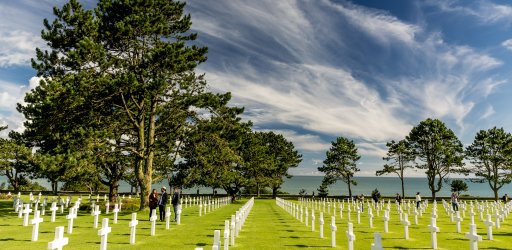
Your expert private guide will take you to the sites that matter most to you. American travelers often focus on Omaha and Utah beaches, Pointe du Hoc, and the Normandy American Cemetery at Colleville-sur-Mer, where over 9,000 U.S. soldiers are buried overlooking the sea.

©
France Just For You
Canadians are drawn to Juno Beach and the Canadian cemetery at Bény-sur-Mer.
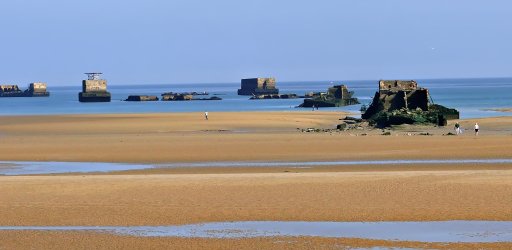
British and Australian travelers may want to visit Gold and Sword beaches, the Pegasus Bridge — site of a daring British airborne operation in the early hours of D-Day — and the town of Arromanches, where the remains of the remarkable temporary Mulberry Harbors are still visible today.

©
Calvados Attractivite
Beyond the beaches, there's a great deal more to see. The town of Sainte-Mère-Église played a key role in the American paratrooper operations, and Bayeux — a lovely medieval town just inland — makes an ideal base for exploring the area. The Caen Memorial offers a powerful overview of the war for those who want a deeper understanding of the broader context.
If you have a family member who fought in the Battle of Normandy, and you'd like to explore your WWII ancestry in France, this is where our research comes into its own. We can trace the route their regiment took after landing and build your itinerary around the specific beaches, towns, and sites connected to their story.
Many of our travelers combine Normandy with other regions — the Loire Valley châteaux are a few hours' drive south, and Paris is under two hours away. We can plan a trip that balances the weight of the battlefield visits with lighter days exploring the French countryside, so the pace feels right.

©
Chee Keong & Catherine Loo-Khaw
The Somme
The Somme region in northern France was the site of one of World War I's most devastating battles. Between July and November 1916, over a million soldiers were killed or wounded here — British, French, Australian, Canadian, South African, German, and many other nationalities. Today, the area is peaceful farmland, but the memorials, cemeteries, and preserved trenches across the landscape are a constant reminder of what happened.
Your private guide will take you to the key sites along the Remembrance Trail between Albert and Péronne. The Thiepval Memorial is one of the most striking — it bears the names of over 72,000 British and South African soldiers whose graves were never found. At Beaumont-Hamel, you can walk through one of the best-preserved trench systems from the war, at a site that commemorates the Newfoundland Regiment. The Lochnagar Crater, created by a massive underground explosion on the first morning of the battle, gives you a sense of the sheer scale of the fighting.
Australian and Canadian travelers will find sites of particular significance here too. The Australian National Memorial at Villers-Bretonneux and the Canadian memorial at Pozières are both deeply moving places to visit, and your guide can tailor the day around the sites most relevant to your nationality and interests.
The Somme is about a 90-minute drive from Paris, and the nearby city of Amiens — with its stunning cathedral, the largest in France — makes a comfortable base. Many travelers combine the Somme with visits to the Verdun battlefields further east, or with a stop in the Champagne region along the way.

©
Samuel Crampon, Somme Tourisme
Verdun and the Argonne
The Verdun area saw some of the longest and most devastating fighting of World War I. The Battle of Verdun lasted ten months and became a defining moment of the war — and the landscape still bears the marks of it today.
Situated at the crossroads of France, Germany, Belgium, and Luxembourg, Verdun has played a strategic role in European conflicts for centuries. When you visit, you'll see why. Your private guide will take you to the key WWI sites, including the Verdun Memorial, the forts, and the ossuary at Douaumont. You'll also visit Fleury-devant-Douaumont — a village that was completely destroyed during the battle and never rebuilt. Walking through it, you can still see the outlines of where buildings once stood, marked by small signs along a forest path. It's one of those places that stays with you.
A short drive from Verdun, the Argonne forest is home to the Meuse-Argonne American Cemetery — the largest American military cemetery in Europe, where over 14,000 U.S. soldiers from World War I are buried. For American travelers especially, this is a powerful place to visit. Nearby, you can also see the Romagne-sous-Montfaucon German cemetery and memorial.
We'll arrange a knowledgeable local guide to accompany you to these sites, so you get far more from the visit than you would exploring on your own. Between guided visits, your itinerary will include suggestions for the surrounding countryside — this is a quiet, rural, and often overlooked part of France that most tourists never see.

©
France Just For You
Let's Plan Your Trip
Whether you want to explore the D-Day beaches in Normandy, the WWI battlefields of Verdun and the Somme, or all three, we'll create a self-drive battlefield tour of France that's built around your interests, your pace, and your family history if you have one.
Get in touch and tell us what you have in mind — we'll get back to you within one working day.


